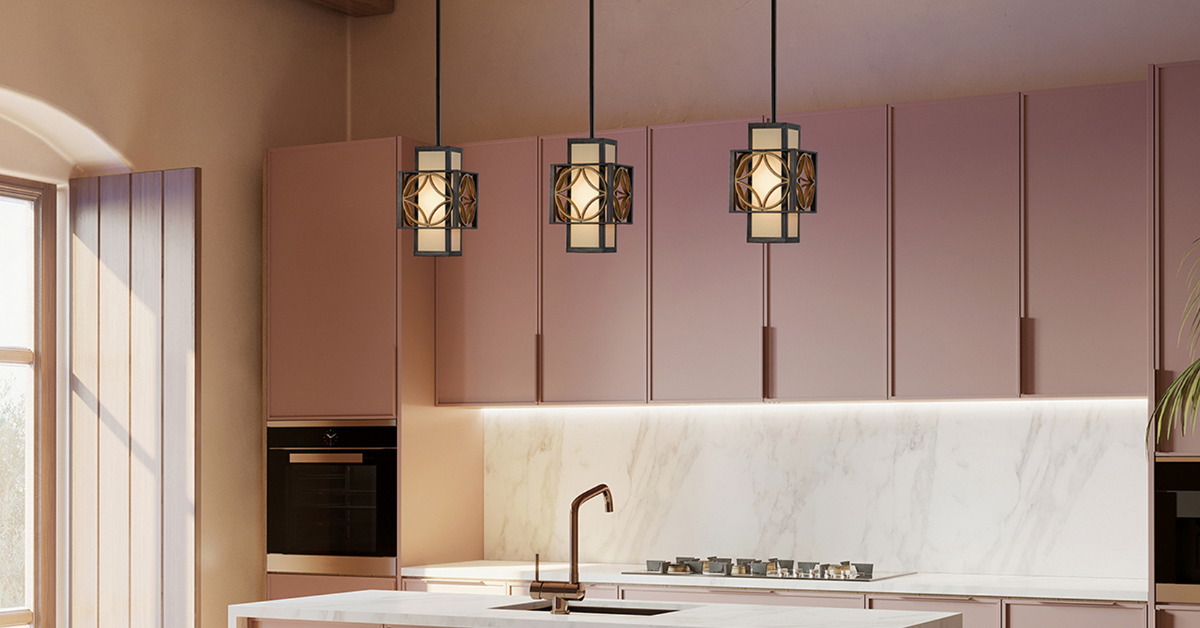
If you like beautiful lighting as much as we do, you’ll know brightening up your space comes at a cost.
The challenge is balancing beauty and budget, recognising that some beautiful lighting options have more than just an upfront cost.
“When it comes to lighting your home well and keeping energy costs down, it really is about being thoughtful rather than simply adding more lights,” James Kendall, Operations Director at KES Lighting and Home, says.
If you’re looking to improve your lighting minus the high electricity bills, James shares his tips and lighting recommendations.
Expensive Lighting Mistakes And Tips

“One of the biggest mistakes I see is relying on a single overhead light to do all the work,” James says. “Instead, layering your lighting with a mix of ceiling lights, wall lights and lamps creates a much warmer atmosphere and means you can use lower wattage bulbs overall.”
This is a popular option for modern, open-plan spaces, creating distinct zones with different styles and types of lighting.
Another mistake is opting for lighting that uses energy inefficiently. While we might be going backwards with home technology, that doesn’t mean our lighting should follow suit.
“If you are looking to cut your electricity bill, switching to LED lighting is one of the simplest and most effective changes you can make,” he adds. “LEDs use significantly less energy than traditional bulbs and they last much longer, so although they may cost a little more upfront, they quickly pay for themselves. They also come in a wide range of colour temperatures now, so you do not have to sacrifice warmth or ambience.”
If you’re looking for rechargeable LED products, you can check out our guide.
He continues: “Think about how and when you use lighting in different rooms. Installing dimmer switches allows you to adjust light levels depending on the time of day or activity, which not only saves energy but also makes your home feel more comfortable. In spaces like kitchens and utility rooms, task lighting focused on work areas is far more efficient than lighting the whole room brightly.”
“Finally, it is worth paying attention to natural light,” James says. Natural light along with other biophilic elements makes your space feel more grounded and tranquil.
“Making the most of daylight through well placed mirrors, lighter finishes and considered window treatments can reduce the need for artificial lighting during the day. Good lighting should feel effortless, supportive of how you live in your home, and quietly efficient in the background.”



Leave a Reply